
Figuring out how to choose a wedding photographer probably has you with a browser full of tabs and a very tired thumb from scrolling. If you’re anything like me, you’ve spent hours studying portfolios and comparing package prices, still not sure if you like a photographer’s work or if you’ve just looked at it so many times it’s starting to blur together.
Here’s the secret: almost every photographer can create a gorgeous Instagram feed. Fifteen perfect little squares telling you next to nothing about what your wedding day will feel like with that person standing in front of you. The real decision goes so much deeper than pretty photos or the number printed on their pricing guide. It’s about who you trust to be involved in one of the most emotionally loaded and vulnerable days of your life.
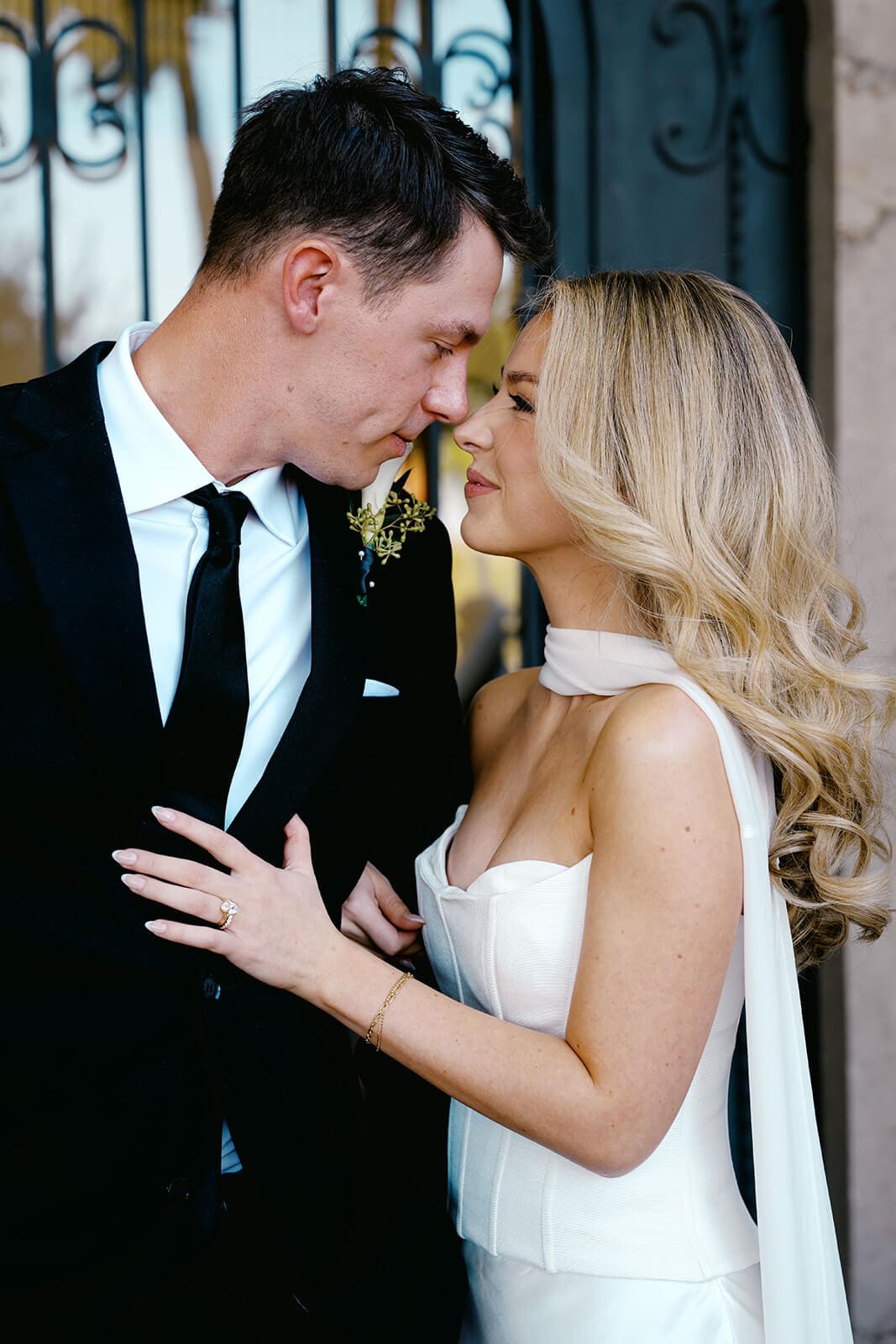
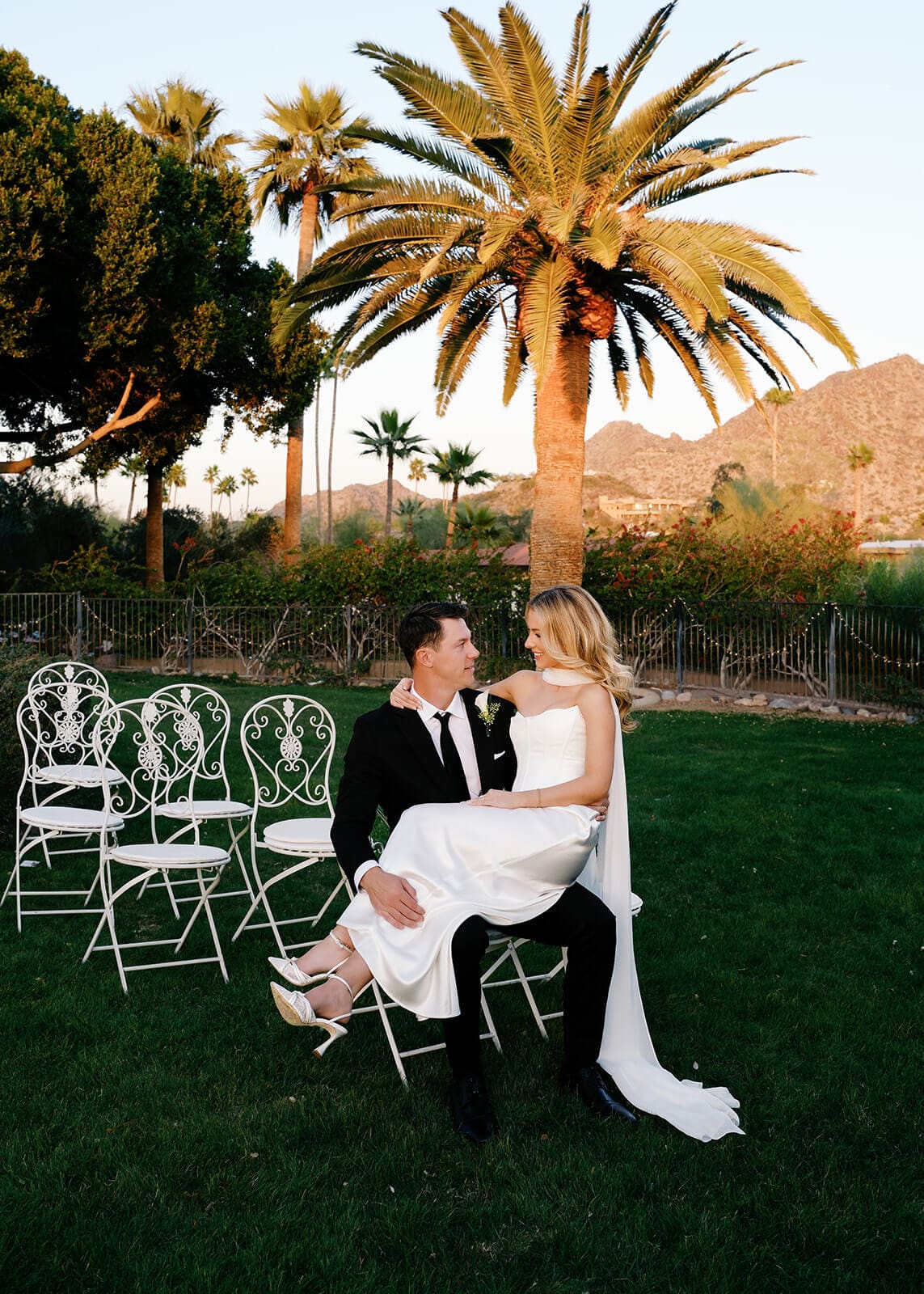
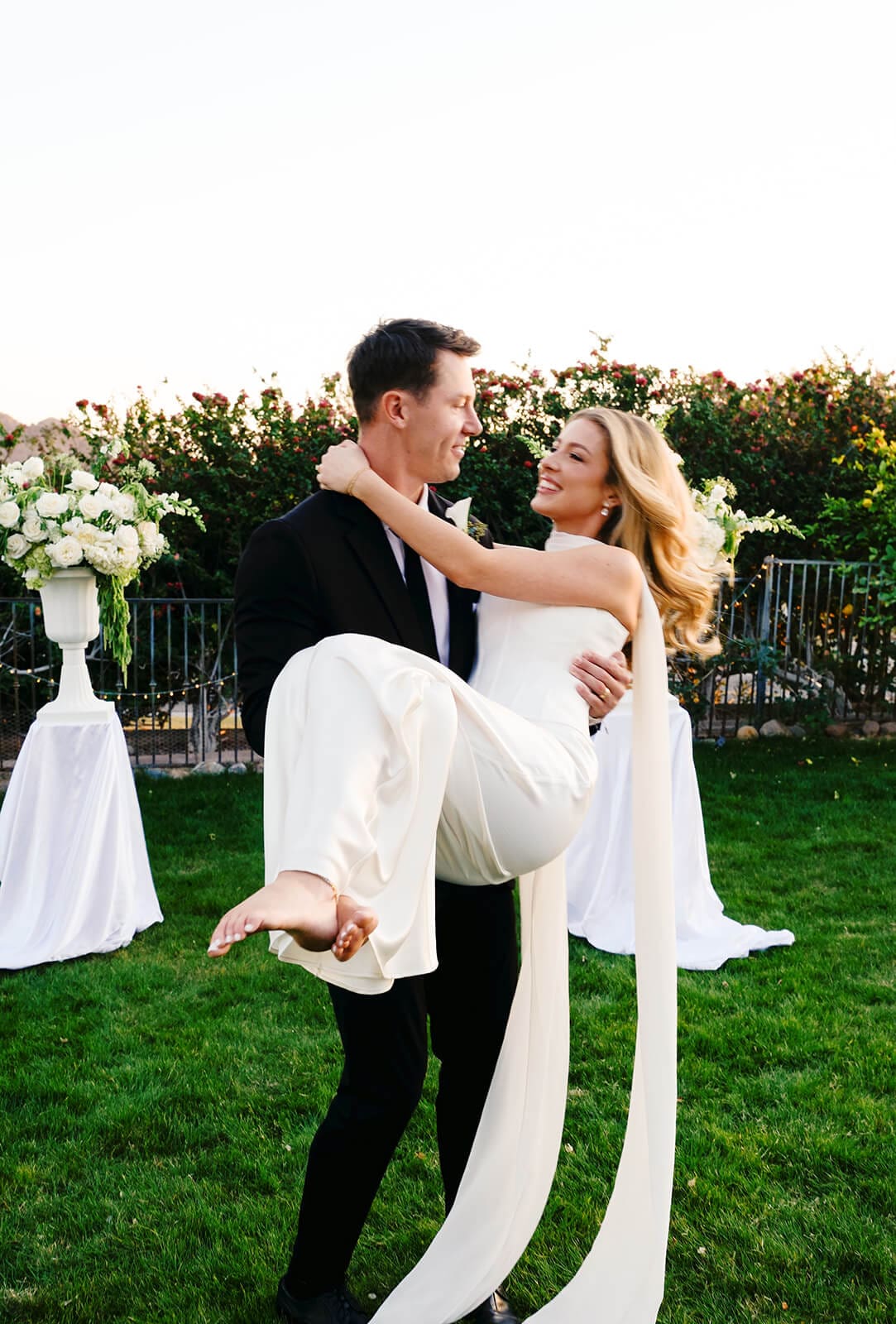
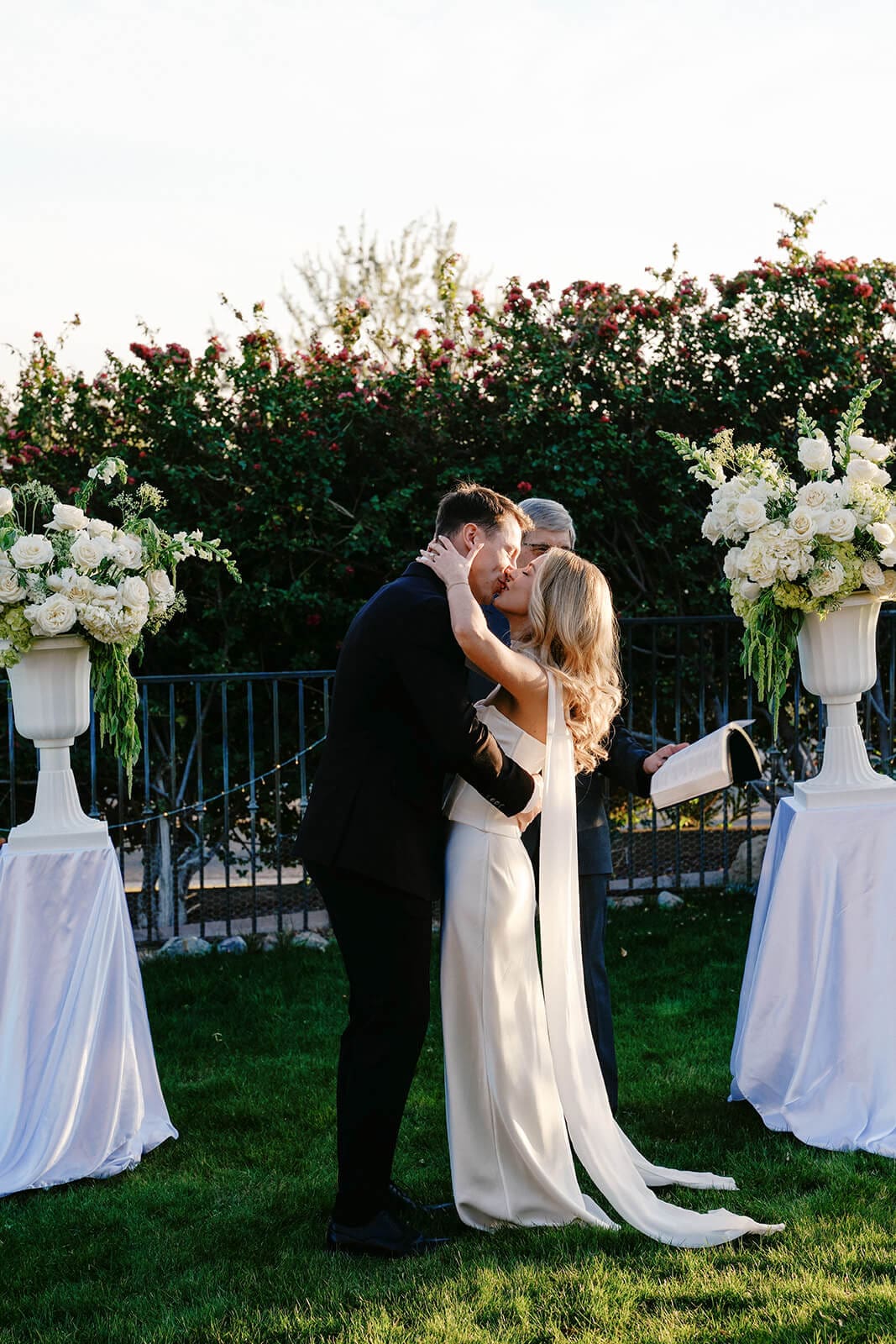
I’ve made this decision from both sides of the camera. As a wedding and elopement photographer in Arizona, I’ve watched my fair share of couples search for the right fit. Then in 2025, I got married myself and sat exactly where you are now, refreshing websites at midnight and wondering how anyone makes a decision like this with confidence. That feeling is exactly why I put this guide together, sharing exactly what I wish someone had told me before I started my own search.
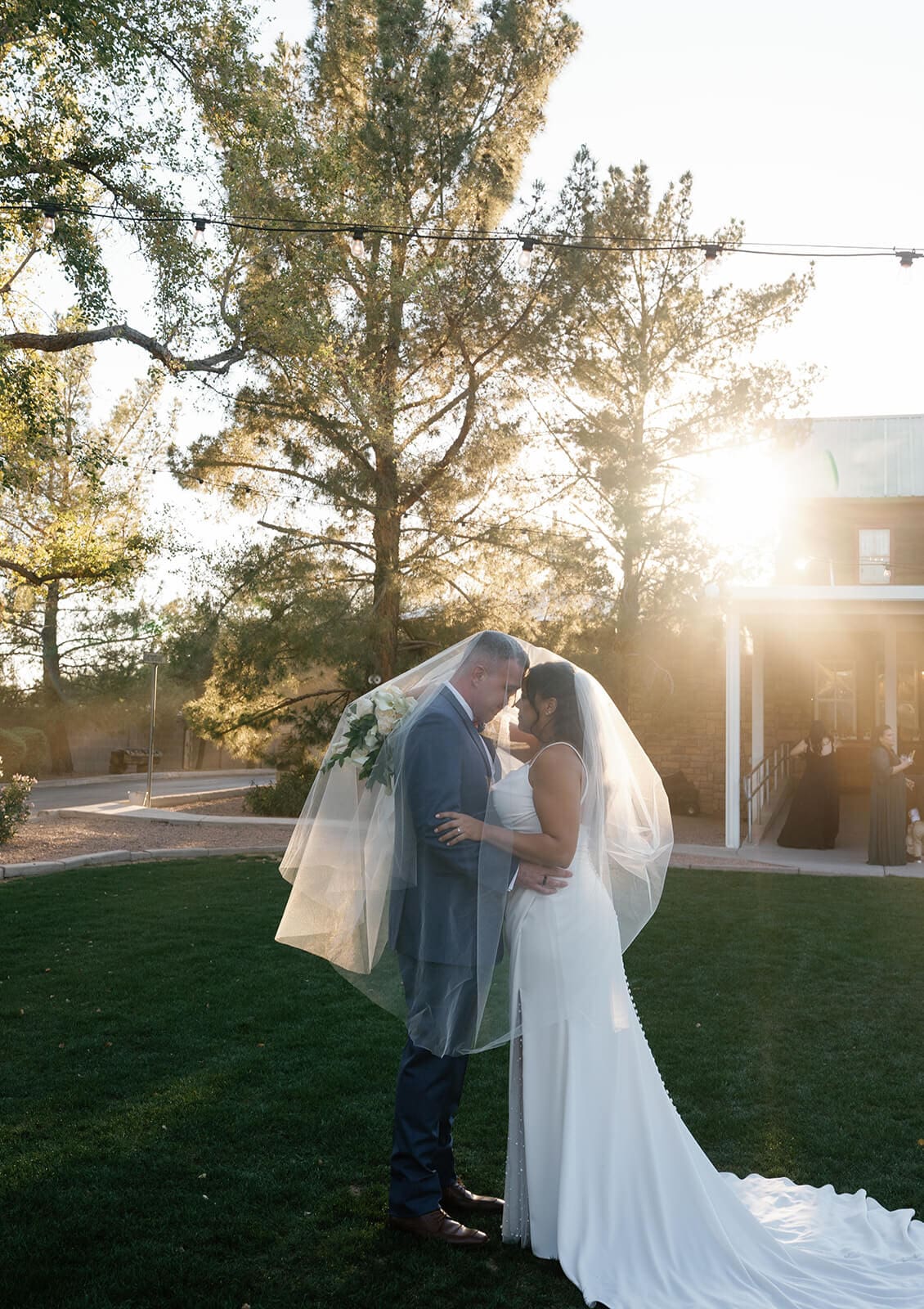
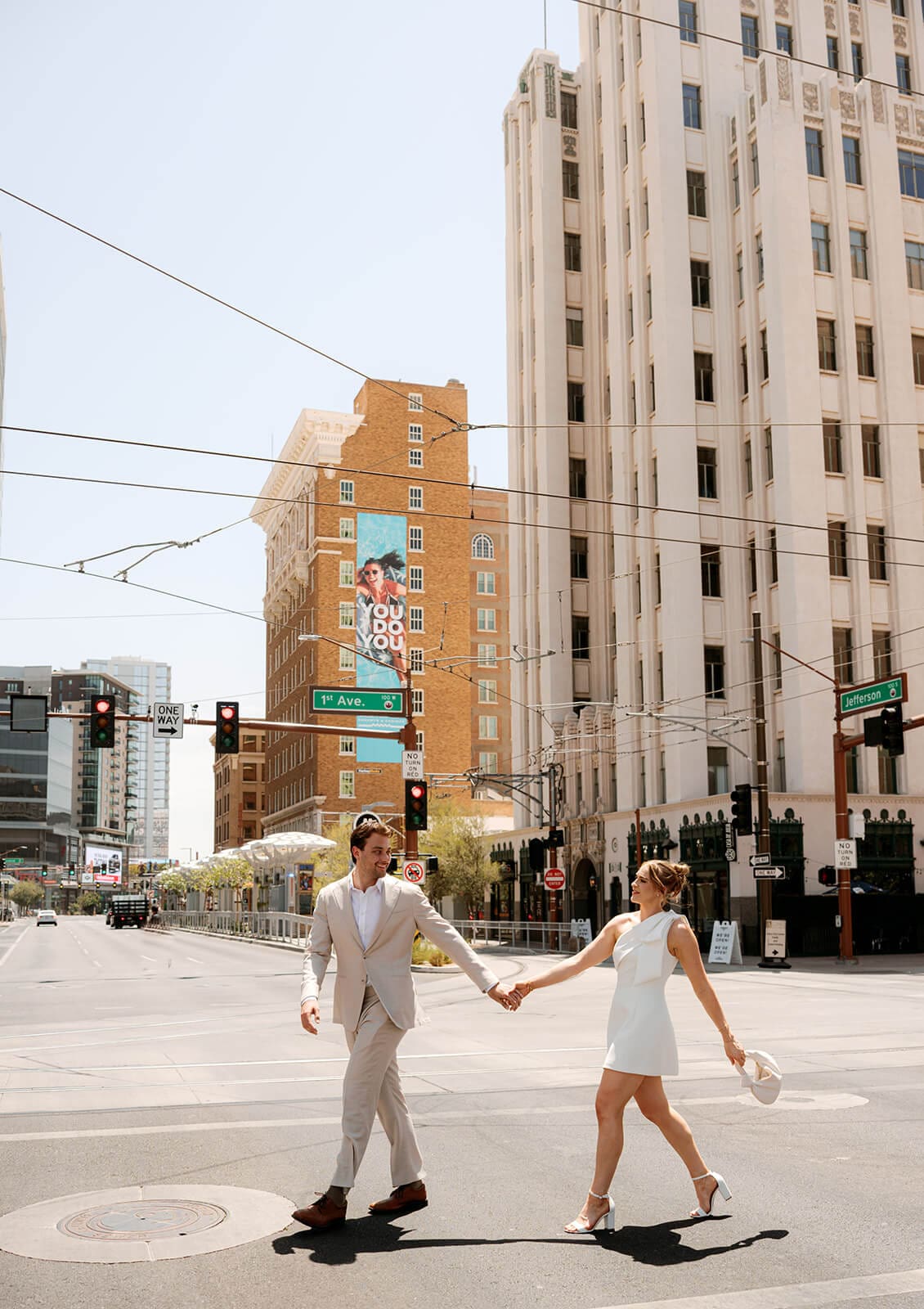

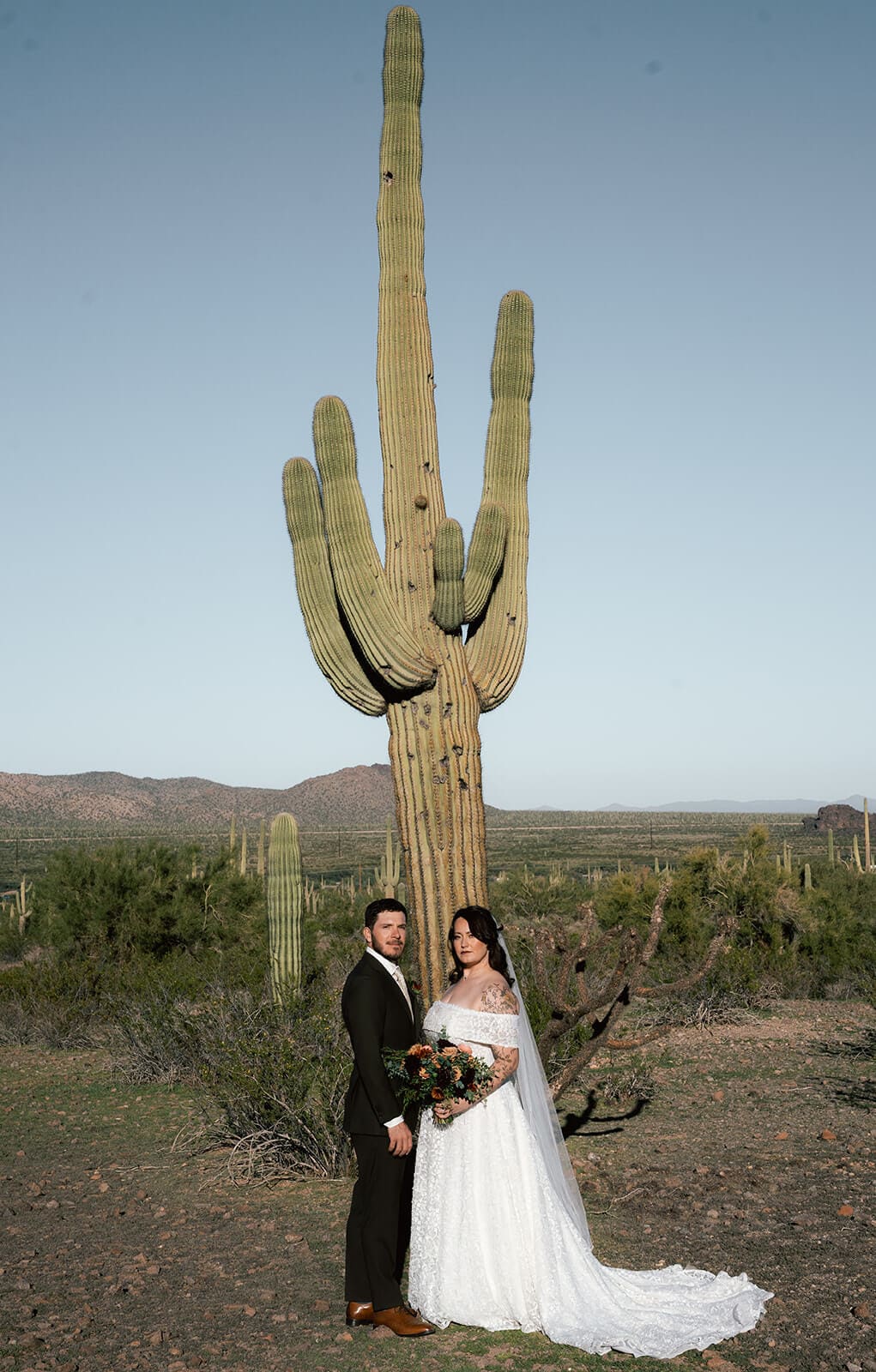
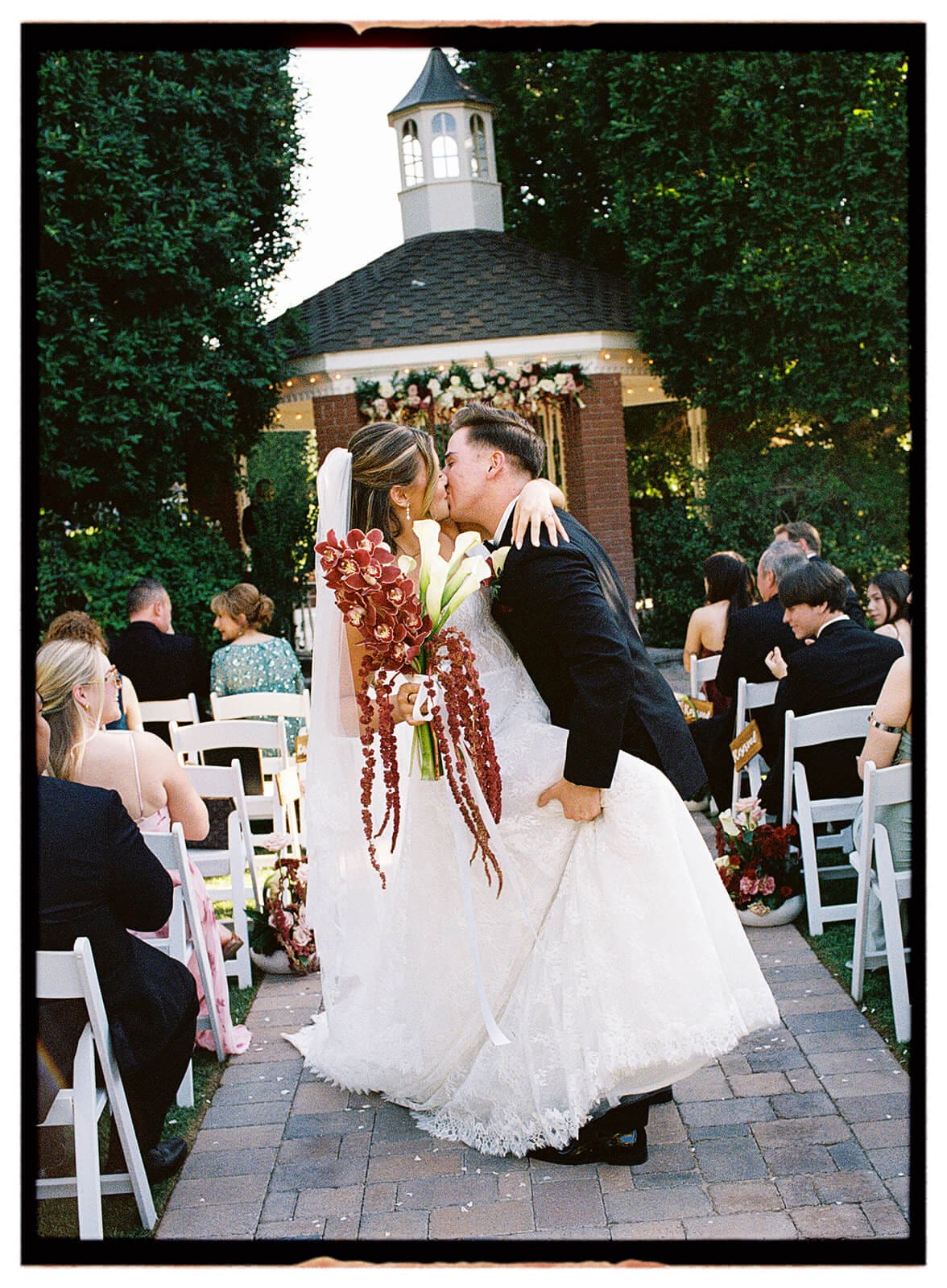
Why Choosing the Right Wedding Photographer Matters
Learning how to choose a wedding photographer matters because, out of every vendor you hire, your photographer is often the one who spends the most hours by your side and is present for vulnerable moments no one else witnesses up close. Getting ready with your mom, the quiet moment with your dad before you walk down the aisle, seeing your almost-spouse during your first look— these are all moments that only happen once, and you need to deeply trust someone to feel comfortable having them present.
The energy your photographer brings changes how you experience those moments as well. A photographer who makes you feel comfortable lets you stay present and in the moment instead of stiffening every time a lens turns your way. One who makes you feel watched or rushed can pull you out of the moment entirely, even if you can’t put your finger on why.
Wedding photography also requires a lot more technical skill than people expect. They aren’t there to just situate the camera and press a button. A photographer has to read fading light and anticipate what’s about to happen before it happens, all without a second shot. You aren’t just hiring someone to take your photos. You’re hiring them for the experience of having them there, which shapes both how your day feels and what you get to keep from it.
What Wedding Photography Should Feel Like on Your Day
One of the biggest things couples overlook when learning how to choose a wedding photographer is just how involved that person will be in the day itself. Your photographer won’t just show up for portraits and then disappear. They’re with you from the first moments of getting ready through the chaos of the dance floor.
That can mean helping fix a veil, carrying your dress train, finding a missing boutonniere, or chatting with your parents while everyone waits for the ceremony to begin. Before the wedding, they may also help build your timeline, plan around the light, organize family photos, and make sure the day has enough breathing room to actually feel enjoyable and get the photos you want.
The right photographer knows when to step in with direction and when to fade into the background. They can calm a nervous room without taking over, keep portraits moving without rushing you, and notice emotional moments without interrupting them.
You’re hiring someone who becomes a part of your wedding just as much as a bridesmaid would, if not more. Their presence should help you feel supported, comfortable, and free to stay present instead of wondering what comes next.

7 Tips for How to Choose a Wedding Photographer That’s Right for You
How to choose a wedding photographer becomes a lot less overwhelming when you break the decisions down into pieces instead of trying to solve it all at once. Here are the steps I walked through myself and what I recommend to my couples:
Tip One: Choose Your Venue & Date
The first step in learning how to choose a wedding photographer is confirming your wedding venue and date. These need to come first because photographers need both before they can confirm availability. Your date determines if the photographer you’ve been stalking on Instagram is even free, and your venue helps them understand travel logistics and what kind of light they’ll be working with throughout the day.
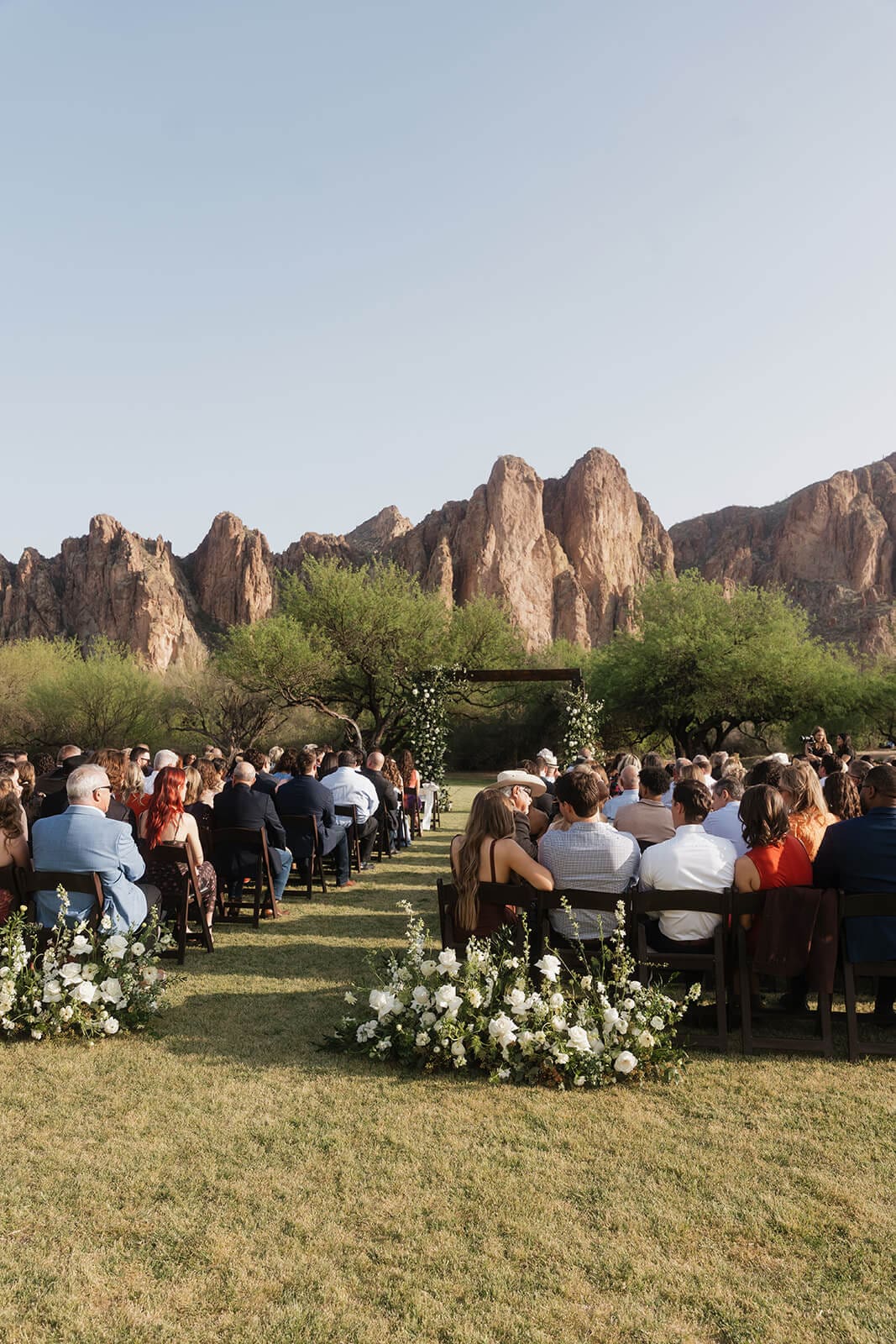
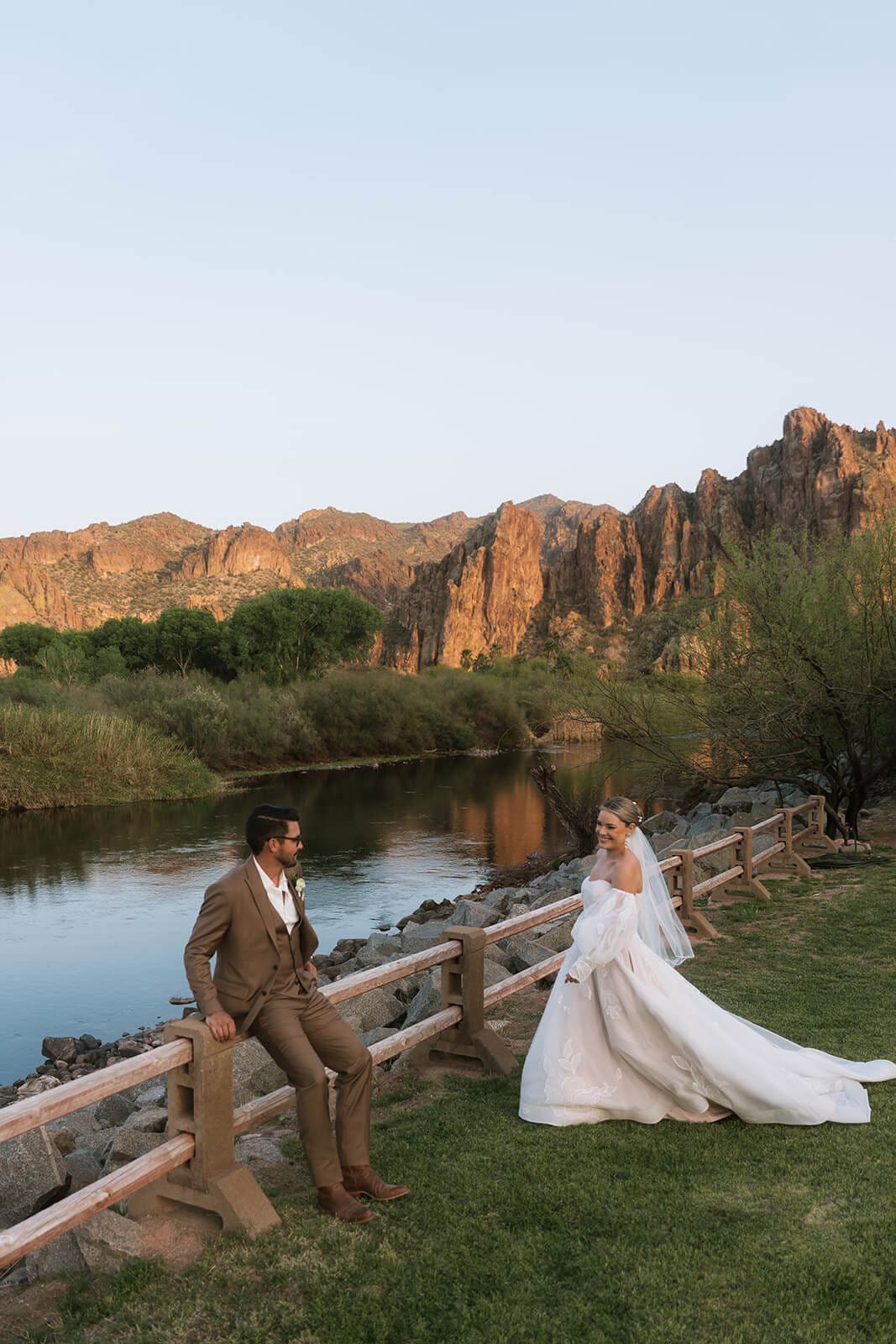
A photographer doesn’t need to have already shot at your exact venue. What matters more is if they can show experience working in similar lighting situations and landscapes, whether that’s bright, natural light, or dimly lit reception halls. A good photographer will be able to walk into a brand new space and read the light within minutes, building a plan without missing a beat.
One thing I’d avoid: Choosing a photographer solely because they’re on a preferred vendors list. Those lists are a great starting point, but they aren’t a replacement for doing your own research. A photographer might know exactly how to photograph a specific space, but still not be the right fit for you.
If you’re still looking for the right setting, start with my blog where I’ve written guides to all of my favorite Arizona wedding venues. You can also explore my favorite garden wedding venues in Arizona or browse a few more unique spaces with plenty of history and personality.
Tip Two: Decide Which Photography Approach Feels Like You
Understanding the approach you’re drawn to is a major part of figuring out how to choose a wedding photographer who feels right for you, and it comes down to instinct more than technical definitions. You’ve probably already been drawn to certain photos without knowing exactly why, and that reaction matters more than memorizing style labels. But it is very helpful to put a name to what you like, so here are some of the most common styles you’ll see floating around:
Documentary: Leans into candid storytelling, with little to no posing involved. Captures real interactions and reactions as they happen instead of directing the moment.
Editorial: Borrows from fashion and magazine shoots, with more intentional composition and creative angles.
Traditional: Formal, structured portraits, like posed family photos and classically posed portraits.
Fine Art: Focuses heavily on lighting and composition with clear posing and direction.
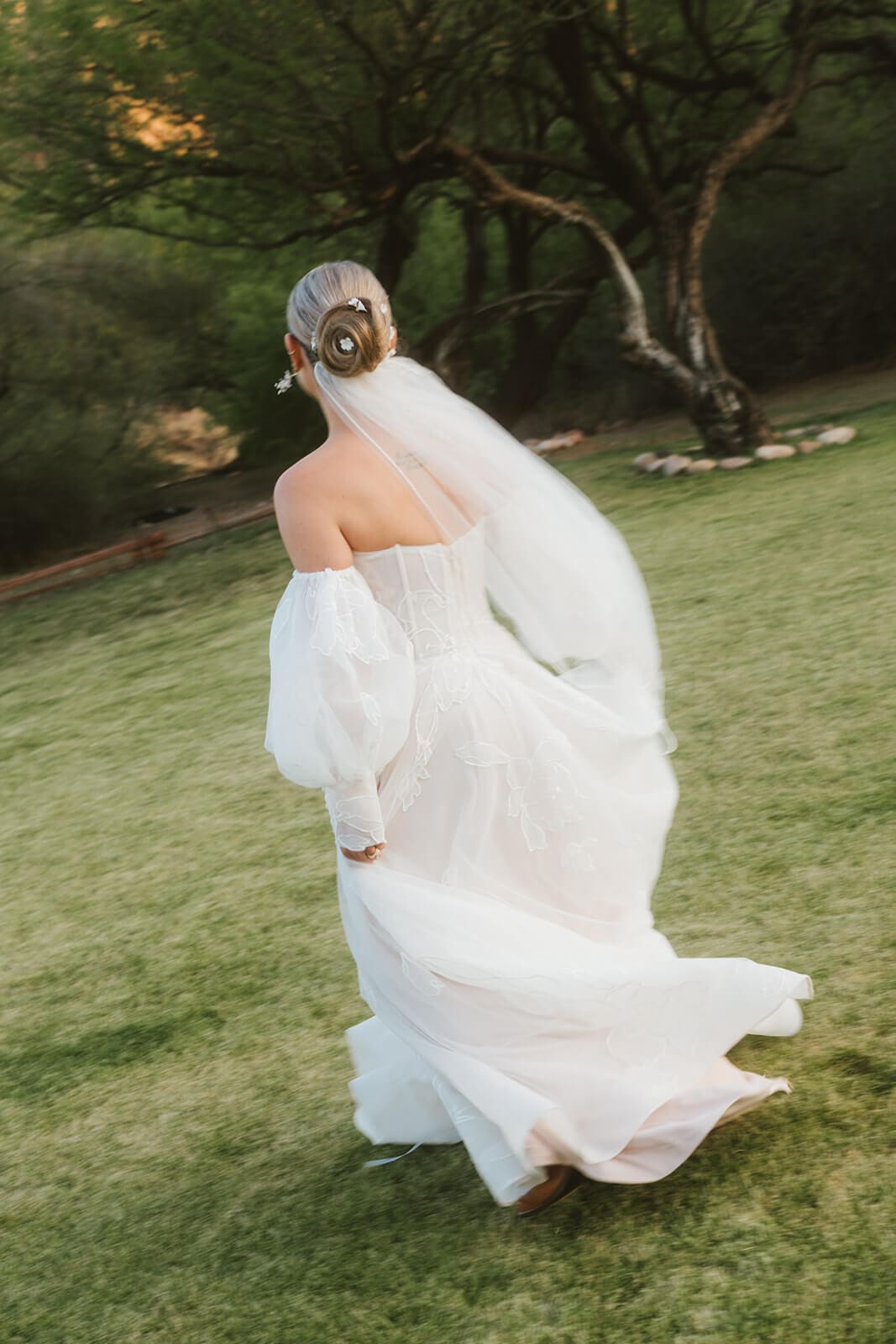
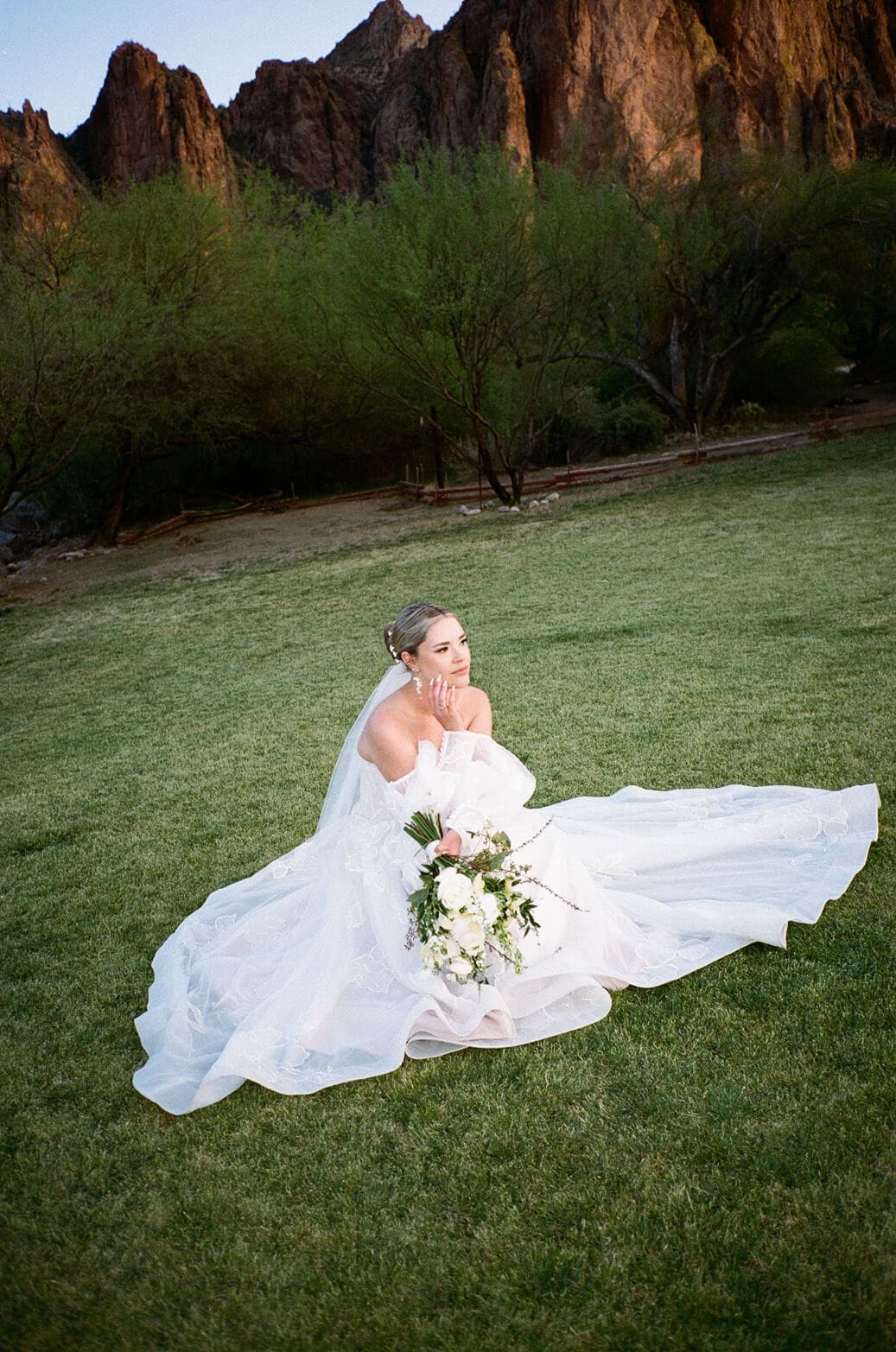
Editing style matters just as much as the approach! Notice whether the color feels true-to-life or heavily stylized, if the tones lean warm or cool, whether the images stay bright or lean into shadows, and whether that same look holds up across different venues and lighting situations.
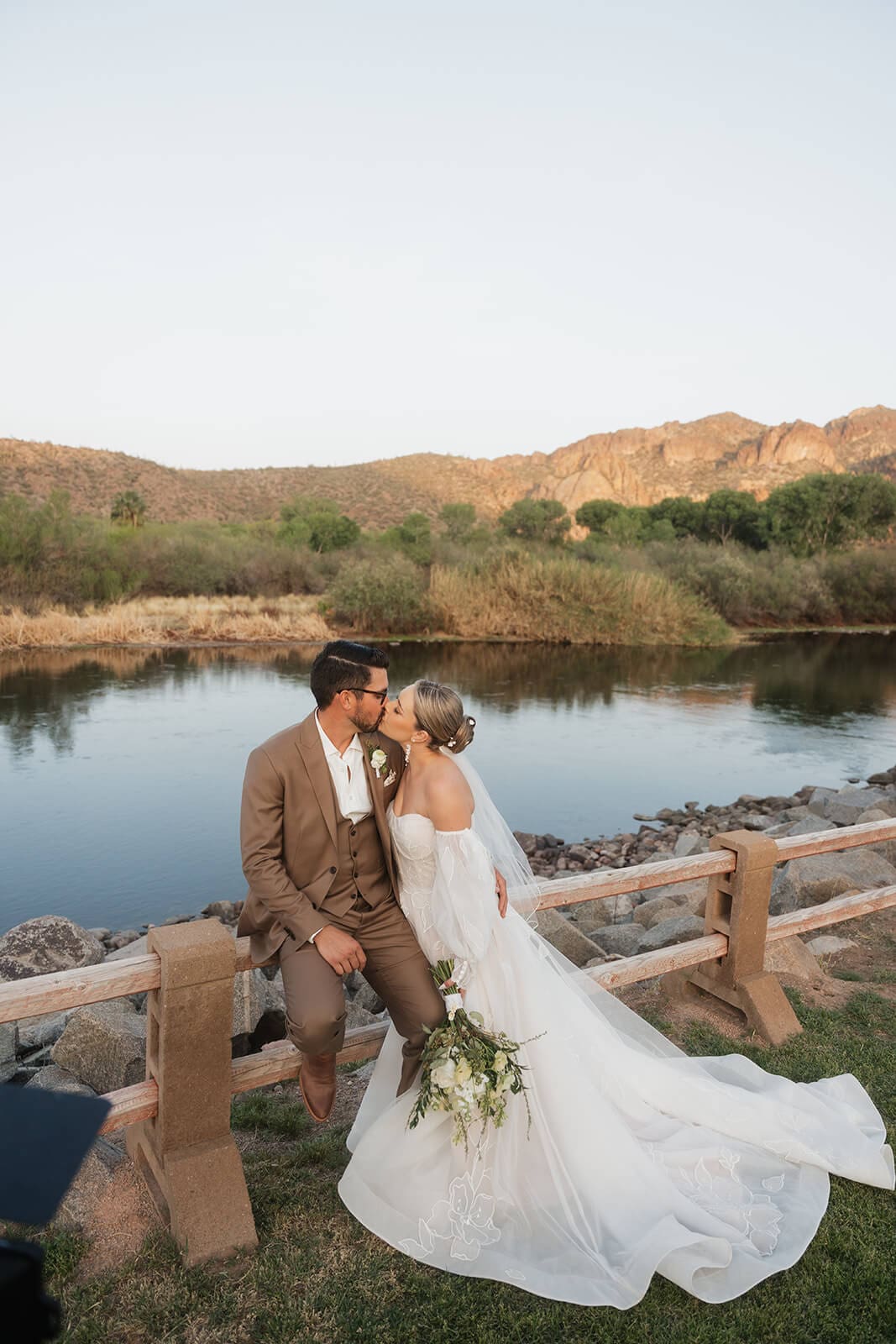
And now the most important part: skin tones. They deserve a lot of extra attention because you’re going to go to great lengths to look exactly how you want to look on your wedding day, and the last thing you want is for your photographer to give you an unnatural and unwanted tan in your gallery. Skin should look natural and consistent from photo to photo, not overly orange or washed out, no matter what the room or light looks like.
Tip Three: Set a Realistic Budget
Before requesting twenty different photographers’ pricing guides, decide what you feel comfortable investing in and where photography sits among your priorities. This will easily help you weed out some options. Knowing how to choose a wedding photographer within your budget starts with comparing the entire experience, rather than looking at the final number alone.
Compare what’s included with each photographer’s package. Look at the number of coverage hours, whether they include an engagement session, how travel is handled, whether you’ll receive timeline support, and whether a second photographer is included.
Keep in mind that photographers aren’t only pricing out the hours they spend at your wedding. Their rates also account for planning support, communication, equipment, insurance, backup systems, editing software and time, gallery delivery, travel, education… I could go on and on. This doesn’t mean the least expensive photography is automatically inexperienced, and it also doesn’t mean the photographer with the highest price is the best. Price alone tells you very little.
Tip Four: Look at Full Wedding Galleries, Not Just Instagram
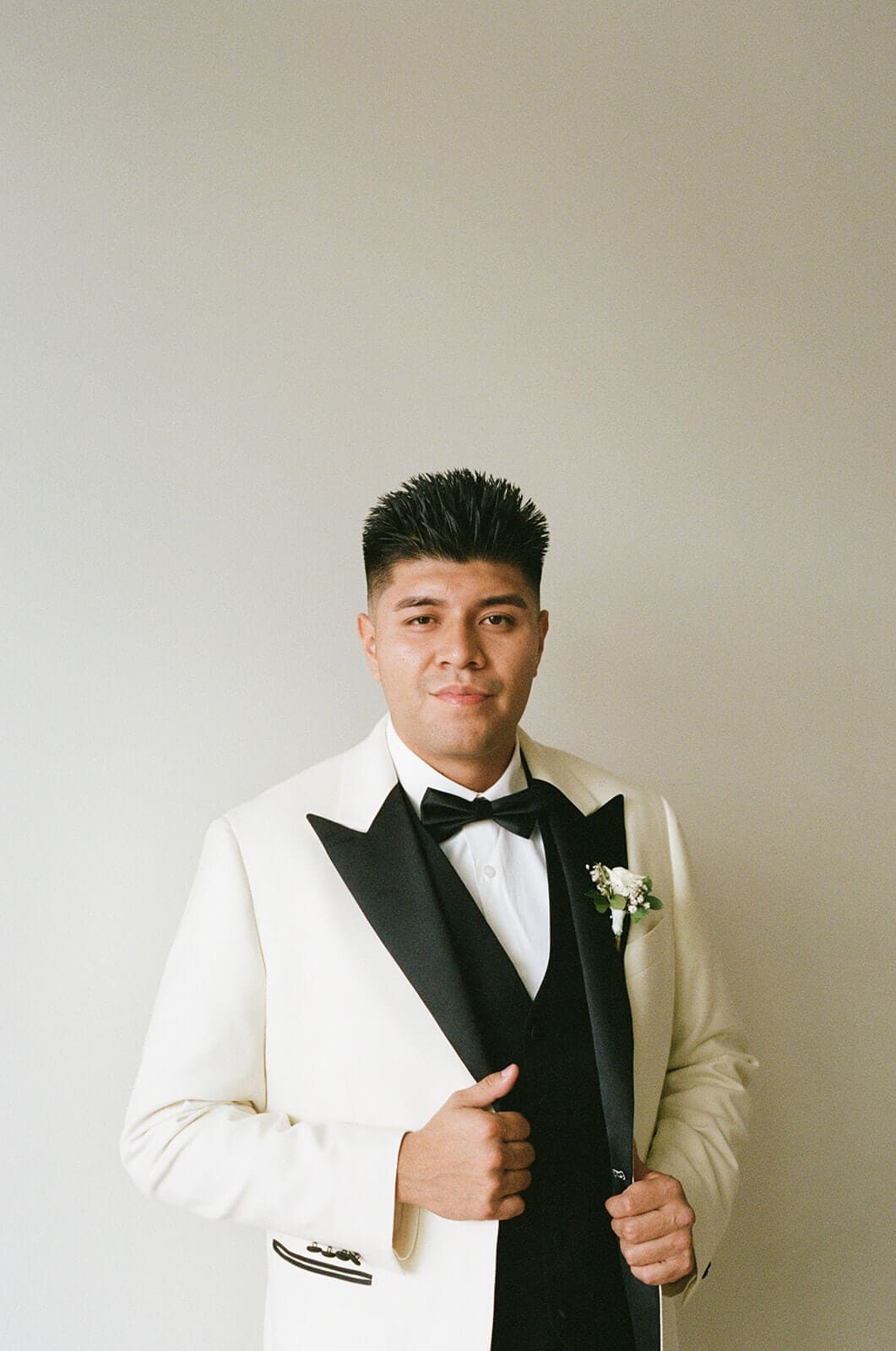
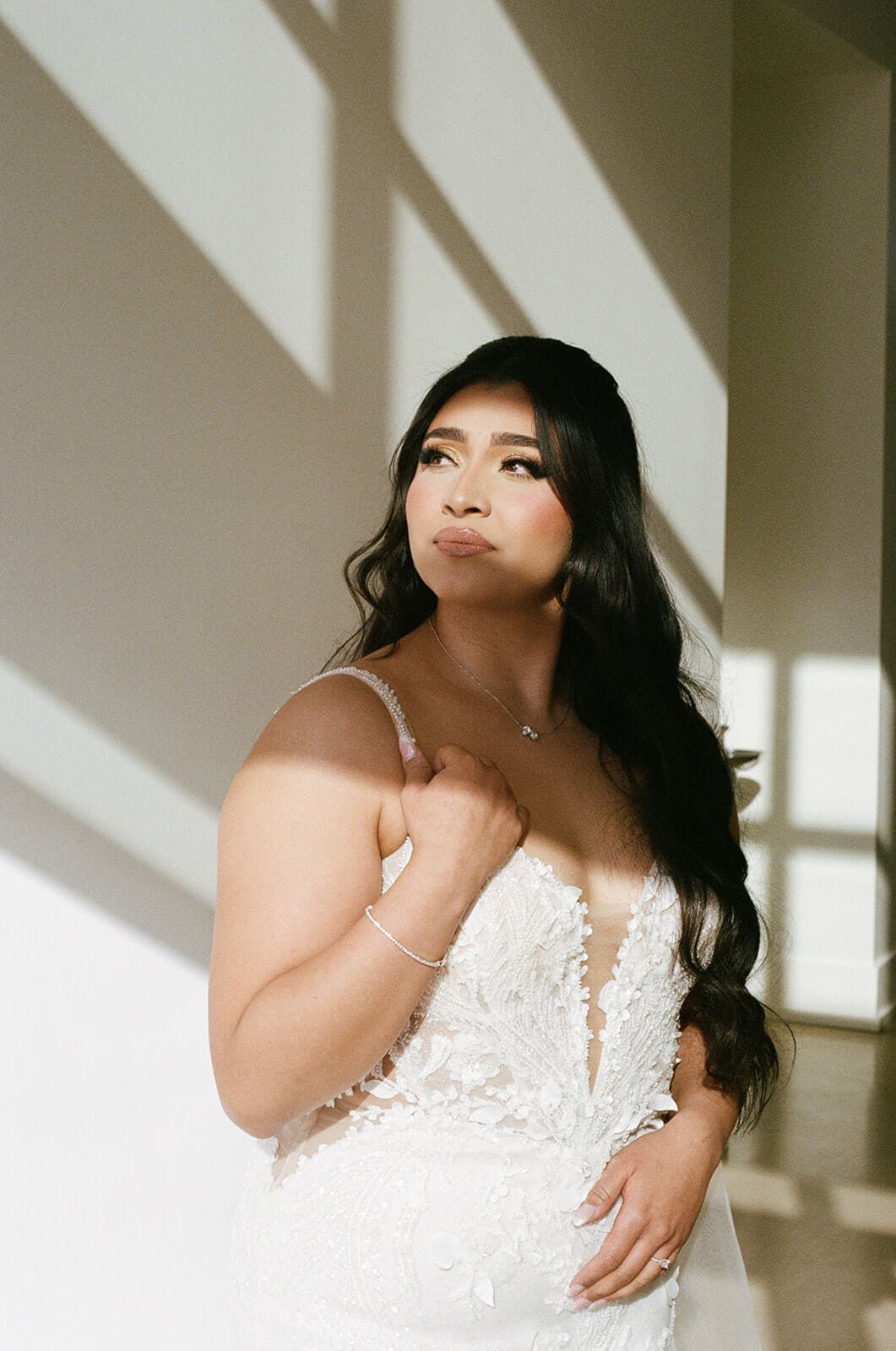
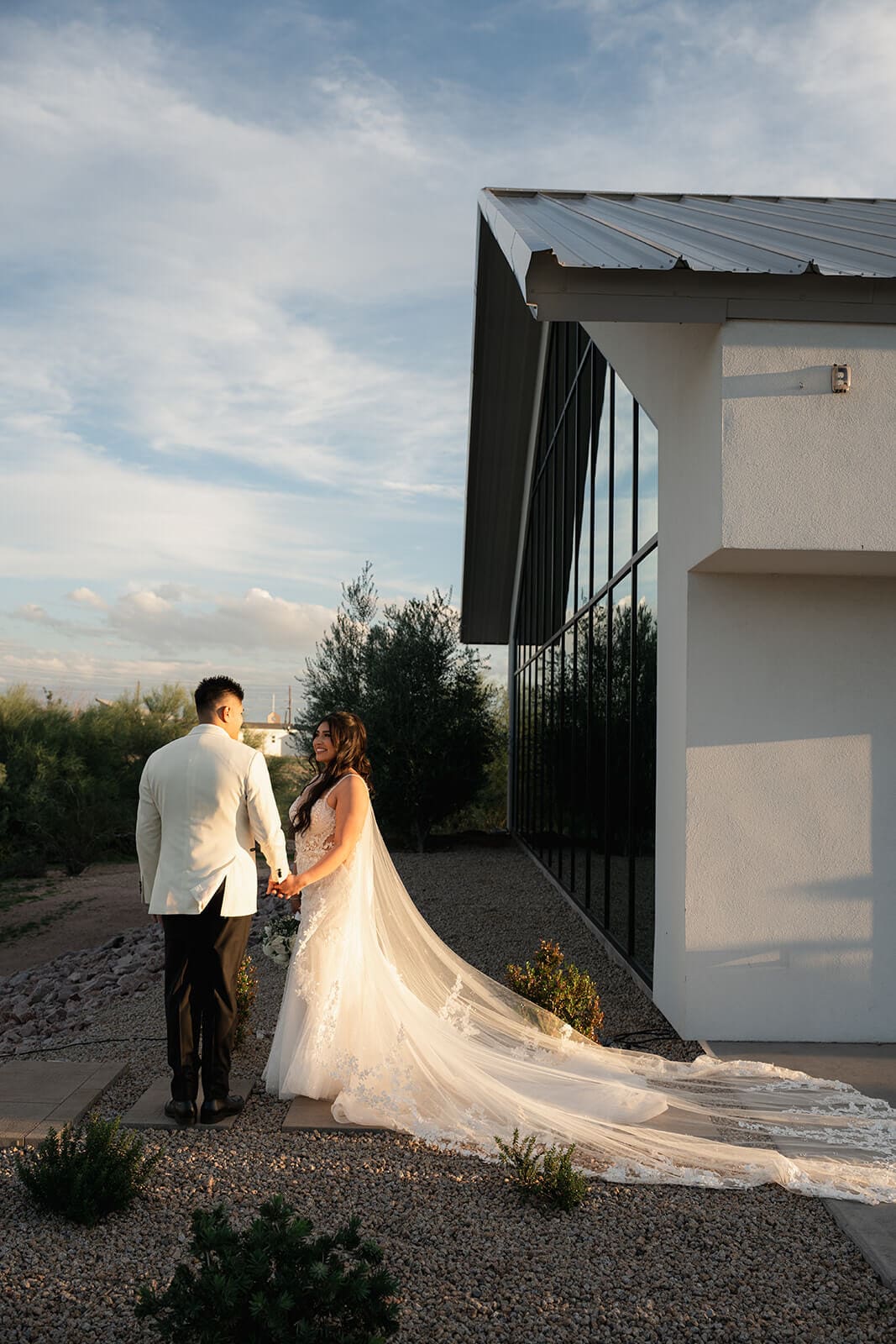
This might be the single most important piece of advice I can share with you. Instagram shows a photographer’s best of the best, cherry-picked from dozens of weddings. A full gallery will show you something deeper: whether they can document an entire day consistently, start to finish. When you ask to see one, request something close to your own wedding, such as a similar venue or setting, both indoor and outdoor portions of the day. Ask if you can see different lighting as well, from harsh midday light to darker reception conditions.
As you look through it, pay attention to whether skin tones stay consistent from photo to photo, and whether indoor images still look polished once the light gets tricky. Look for candid moments that include more than just the couple, like guests laughing or grandparents wiping away tears. Check whether family photos look organized and comfortable instead of stiff, and see if the photographer captures movement well, during a first dance or a bouquet toss, without blur or awkward timing.
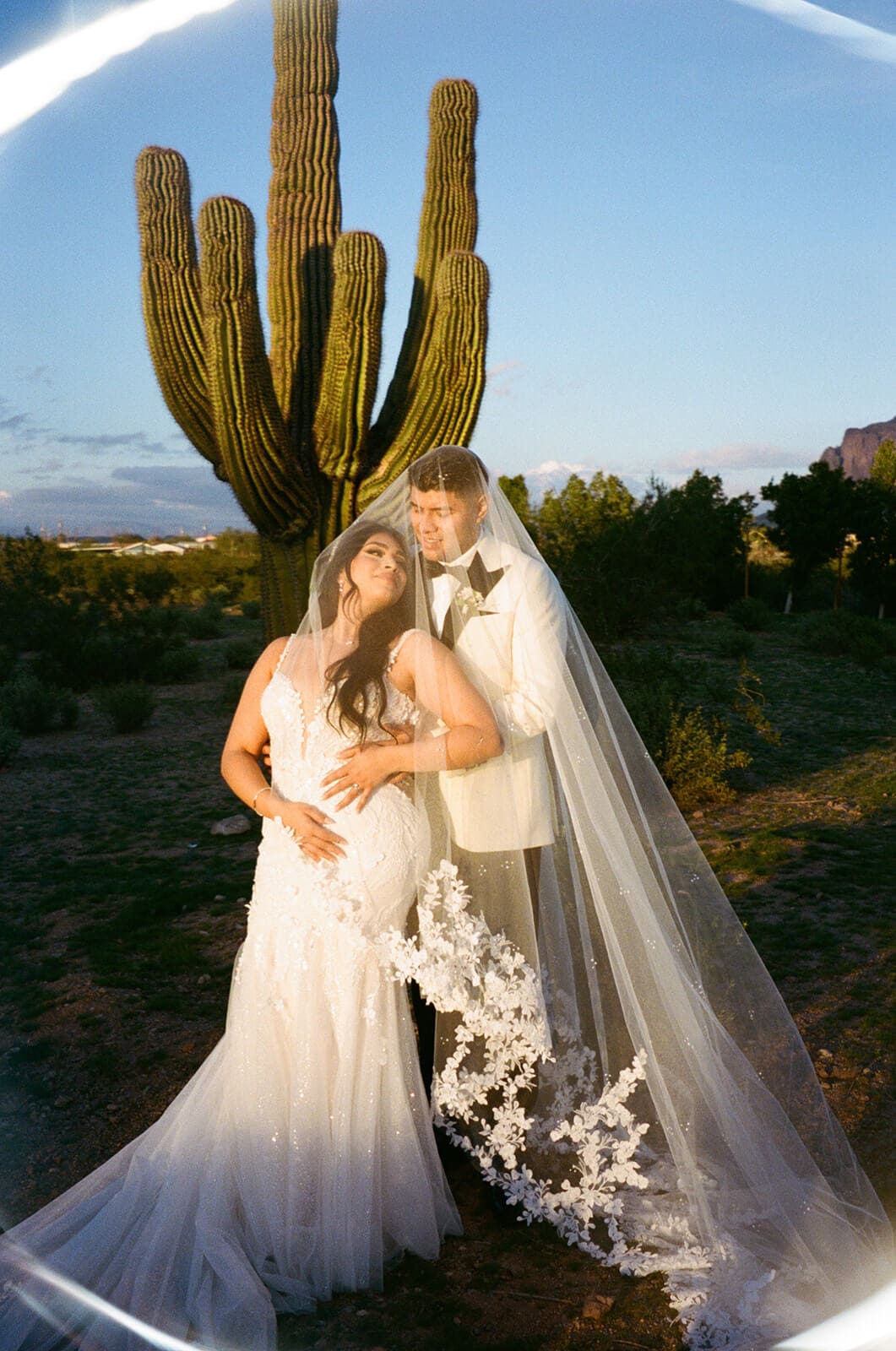
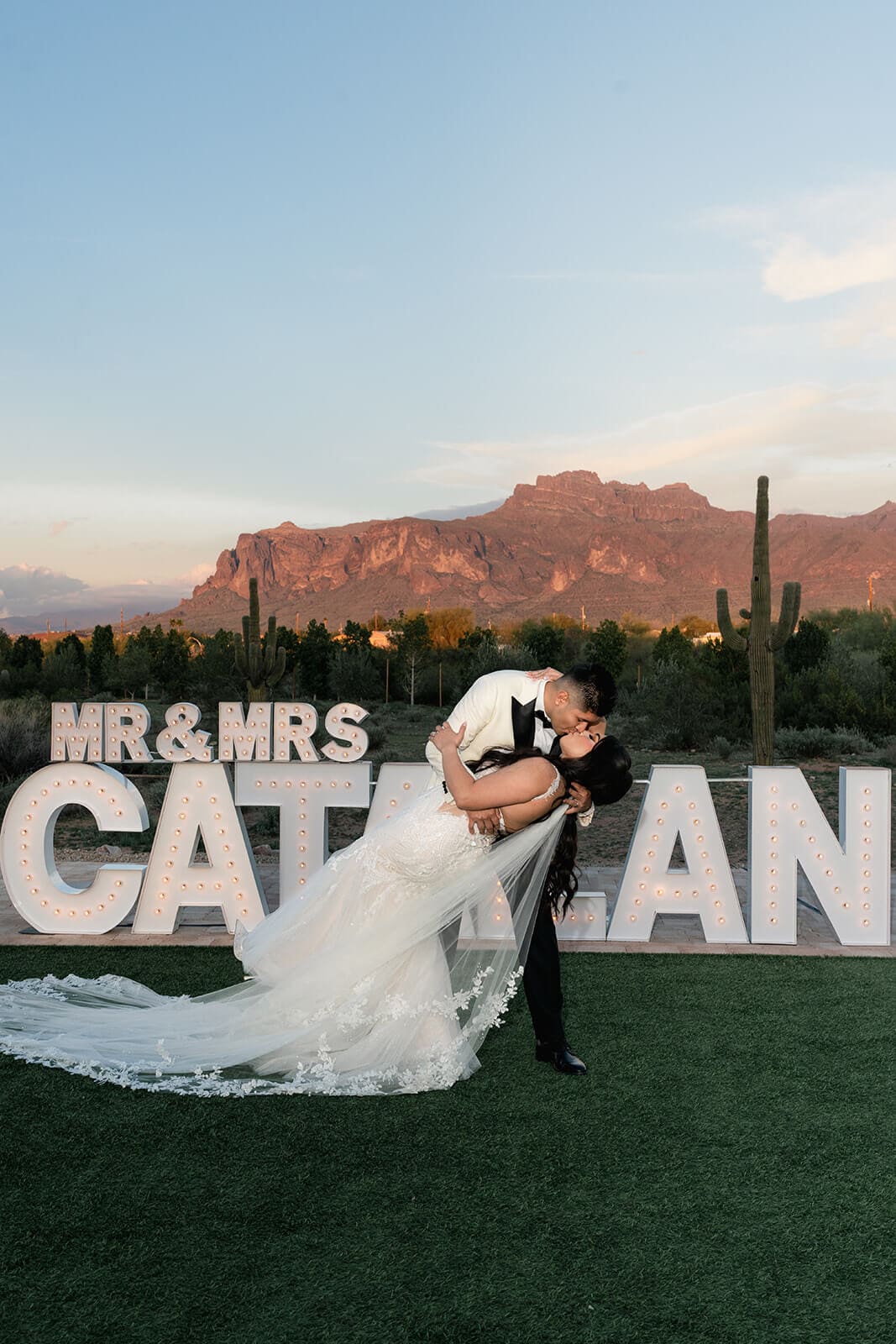
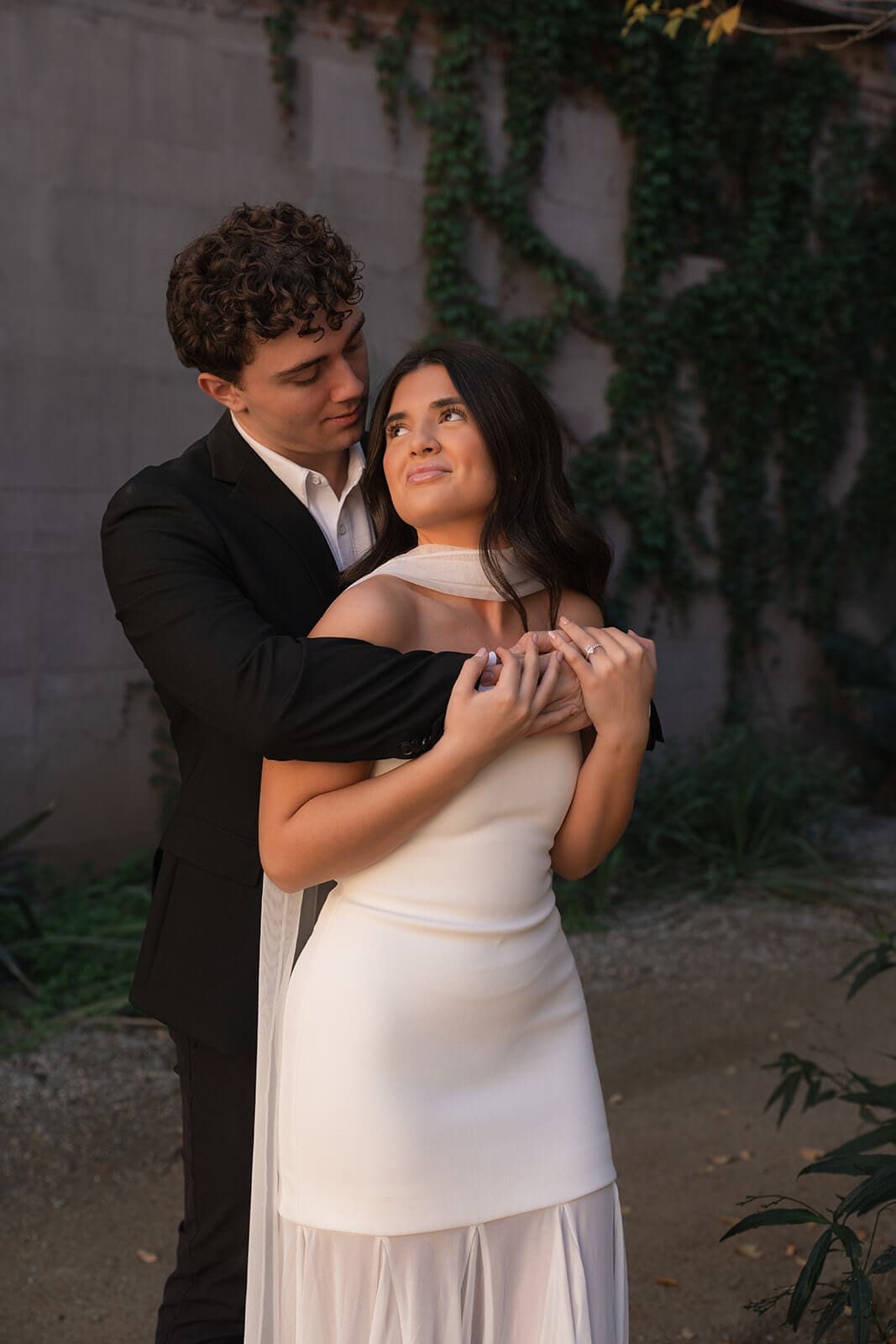
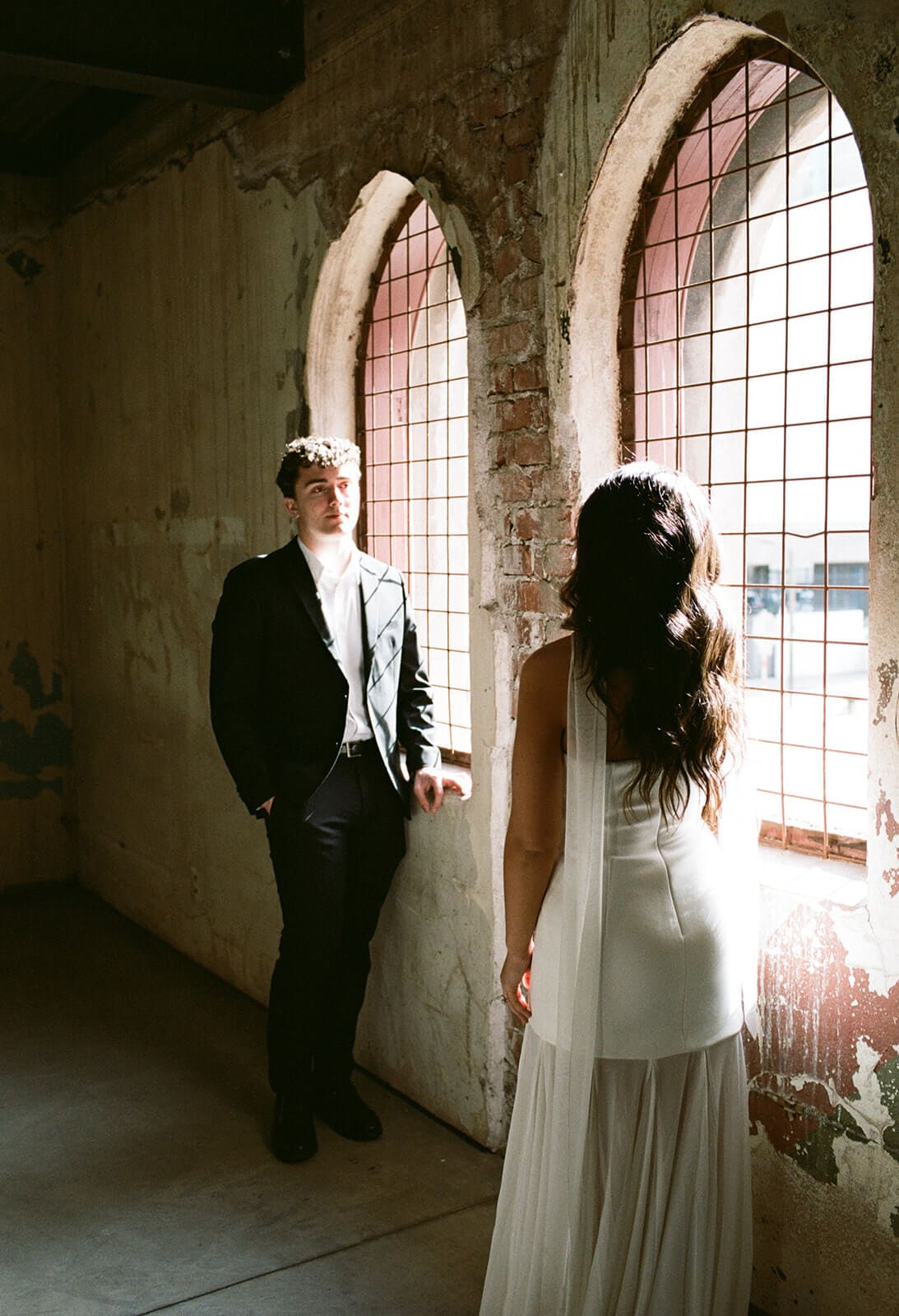
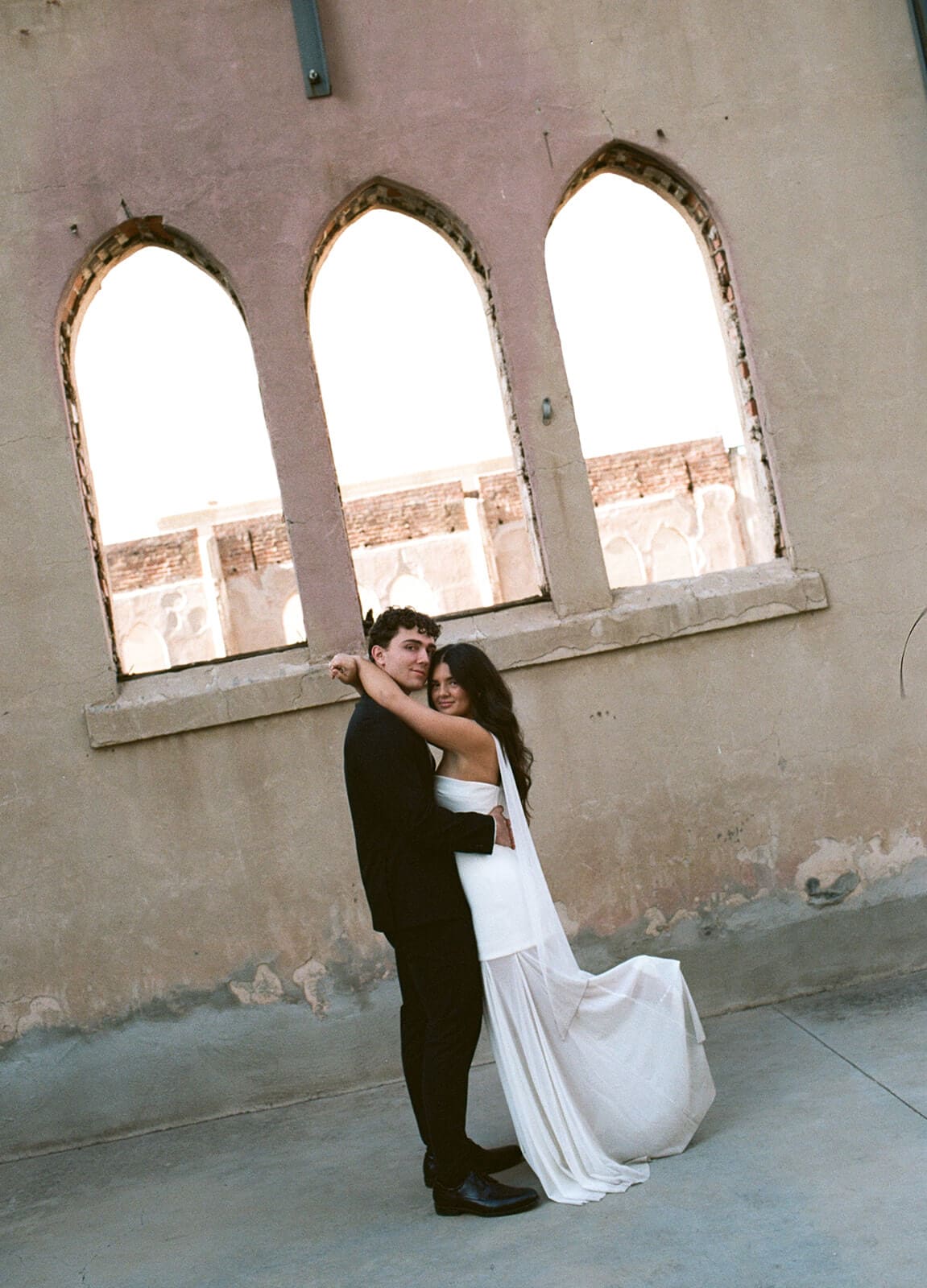
A strong photographer will have multiple galleries that all tell complete stories. People look relaxed throughout the day, not only in posed portraits, and the less glamorous parts, like a slightly chaotic getting-ready room, get documented with just as much care as the ceremony itself. That consistency is what separates a great highlight reel from someone who can document your entire wedding well from start to finish. You can take a look through my own portfolio here to see what that looks like across different venues and lighting situations!
Tip Five: Read Reviews from Real Couples
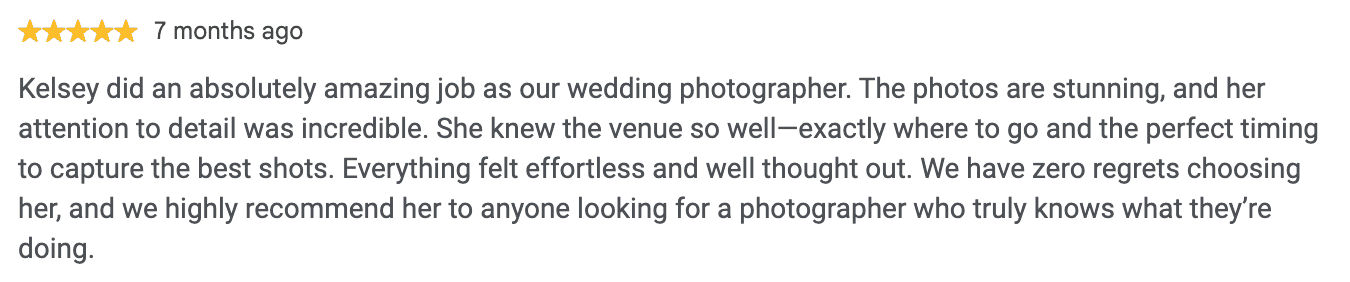
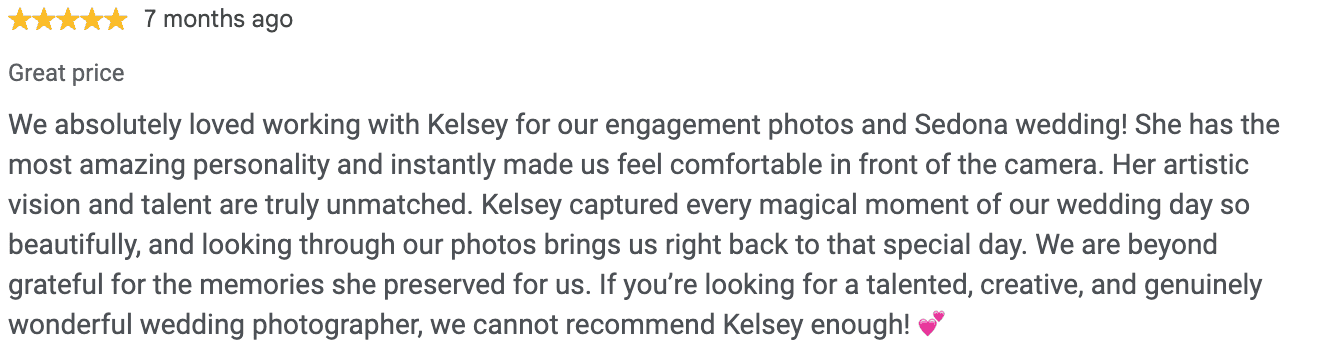
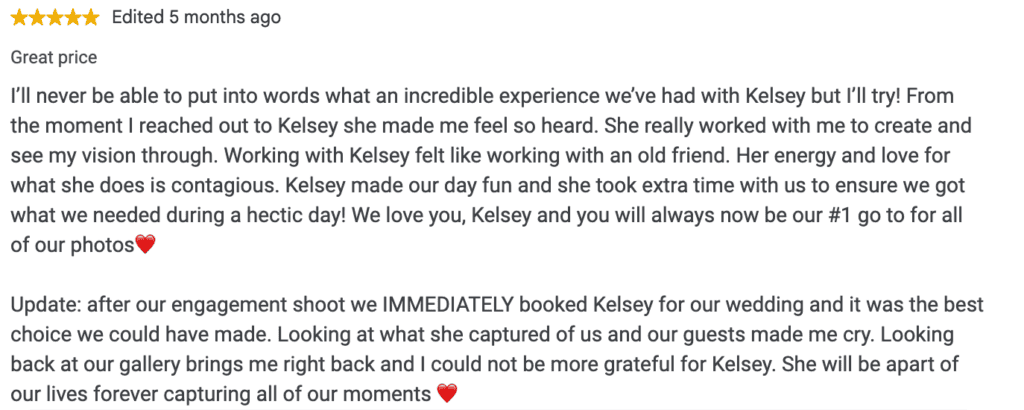
Reading reviews from real couples matters more than most people realize, especially once you get past the generic ones. A comment like “we loved our photos, they were amazing” doesn’t tell you much about what it’s like to work with someone. Instead, look for reviews that mention communication, reliability, comfort in front of the camera, and how the couple felt throughout the entire experience. When you’re researching how to choose a wedding photographer, detailed reviews can reveal parts of the client experience that a portfolio never will.
Notice if reviewers bring up things like help with timeline planning, professionalism during stressful moments, flexibility when plans changed, or whether delivery expectations were met. Check more than one platform while you’re at it: the photographer’s website, Google reviews, wedding directories like The Knot, and even Facebook if they have reviews there. A pattern across multiple platforms tells you a lot more than a single glowing testimonial pulled from someone’s homepage. You can read some of my own reviews here!
Tip Six: Meet Face to Face (or Screen to Screen)
Meeting face to face or screen to screen before booking should feel like an actual conversation, not a sales call. A good consultation is thorough. The photographer should ask about your priorities and how you want your day to feel, not just recite their packages and pricing.
Pay attention to whether you feel heard. Notice if you feel comfortable asking questions, even ones that might feel small or obvious. How someone communicates before you’ve booked them is often a preview of what working together will feel like.
After the call, check in with yourself. Did you feel comfortable being you, and did they listen instead of spending the whole call talking about themselves? Did their approach match how you want your day to feel, and did their answers leave you feeling clearer or more confused? If you can picture spending several emotionally intense hours with this person and feeling good about it, that’s a great sign.
Tip Seven: Read the Contract Before You Sign It
Reading the contract before you sign it protects both you and your photographer, even when everything about the relationship feels great. A good contract will clarify:
- Who will photograph your wedding
- Date, location, and coverage hours
- Payment schedule, travel fees, and retainer
- Cancellation terms
- Rescheduling policies
- Overtime pricing
- Expected gallery delivery
- Approximate deliverables
- Image usage and printing rights
- Backup or emergency procedures, including what happens if the photographer can’t attend
Pay extra special attention to cancellation terms, image rights, travel fees if they apply, and photographer replacement terms. These are the parts that matter most if something unexpected comes up.
A contract doesn’t mean your photographer expects something to go wrong. It means neither of you have to rely on a text chain and pinky promises if plans change.
Red Flags to Watch for When Choosing a Wedding Photographer
Knowing how to choose a wedding photographer becomes much easier when you also know which warning signs shouldn’t be brushed aside. It doesn’t have to feel like walking into every consultation on guard. It just means paying closer attention before you get emotionally (and monetarily) attached. Here are the things that ring instant alarm bells in my head:
- They won’t show you a full wedding gallery
- Their editing looks completely different from one wedding to another
- They don’t have a solid answer for what happens if their gear fails or an emergency comes up
- The person on your consultation call isn’t who will be photographing your wedding
- Their contract is vague or non-existent
- They’re pushing you to book
- Their communication is spotty
- The same complaint about communication or delivery keeps showing up in their reviews.
How to Choose a Wedding Photographer: Go With Your Gut
After you’ve done your research on how to choose a wedding photographer, trust your gut. You’ve put in the work, so if your heart already has an answer, let it lead. Gut instinct means something when it’s backed by real research, not in place of it.
A photographer can look perfect on paper, hit every checkbox, and still not feel quite right once you talk to them. Pay attention to that. You should feel excited to spend time with this person and comfortable enough to ask for help. You should never feel like you have to talk yourself into hiring someone.
You’re trusting this person with the most vulnerable parts of one of the biggest days of your life. Once you’ve done the research, that decision doesn’t have to be complicated. If it feels right, it probably is.
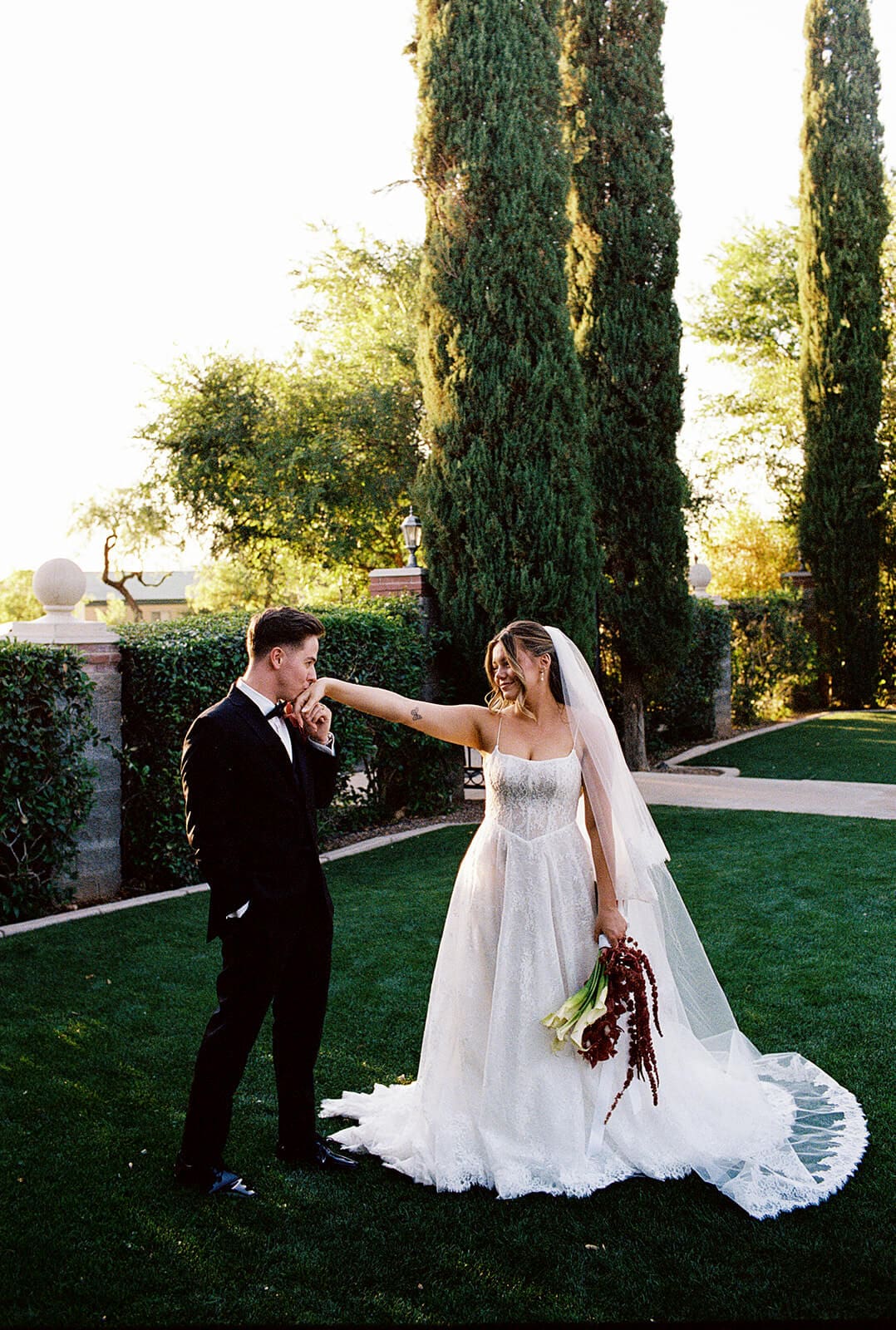
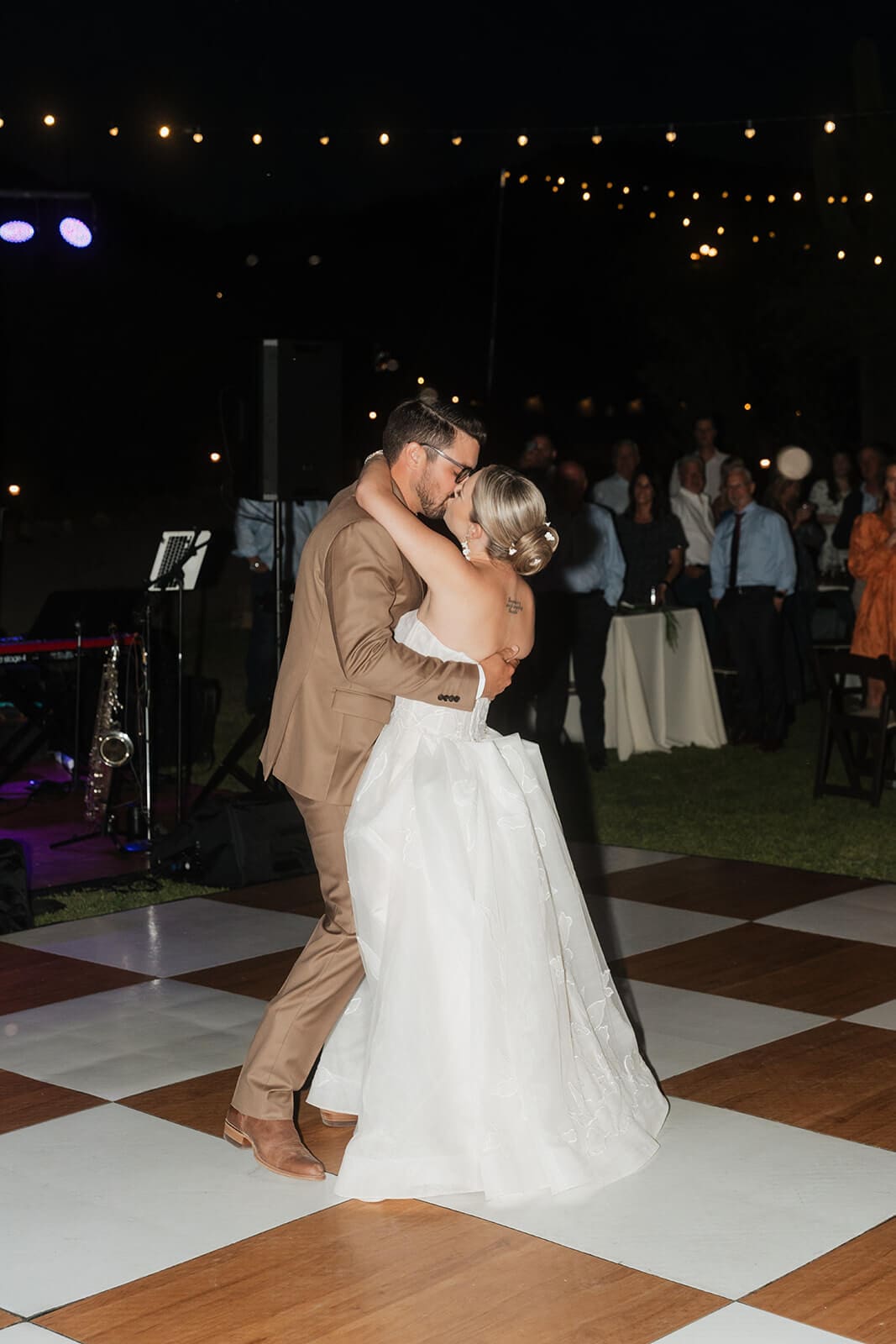
Hire a Documentary-Style Wedding Photographer for Weddings in Arizona
Having been a 2025 bride myself, I know how personal this decision feels. You aren’t only choosing whose editing style you like best. You’re choosing who will stand beside you during some of the most vulnerable, emotional, exciting, and wonderfully chaotic moments of the day.
At the end of it all, I don’t want you to book me simply because you found this guide helpful. I want you to choose the photographer who makes you feel understood and completely comfortable being yourself. If that person might be me, I’d absolutely love to meet you. Take a look through my portfolio, tell me what you’re planning through my contact form, and bring every question you’ve been quietly collecting. We can talk through it together and see whether we feel like the right fit.